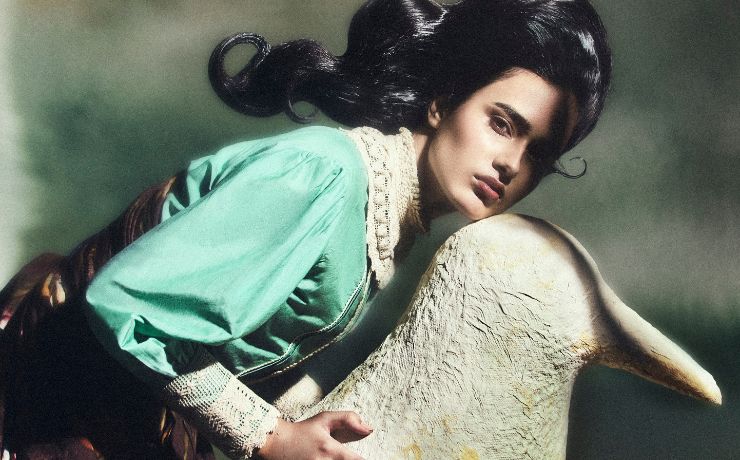


Best Sundresses for Singapore's Year-Round Summer Weather
Cord designs and hand-makes every piece in natural fibre — pure cotton and handwoven linen — with pieces shipped worldwide, including Singapore.
Getting dressed in Singapore rarely comes down to what looks good in photos. It comes down to one question: will this survive the walk from the MRT to wherever you're going? By 9 am the humidity is already doing its own thing, and whatever you've put on has to keep up without you thinking about it twice.
This edit is built around Cord's sundress line - pieces made in pure cotton and handwoven linen, cut to move air rather than trap it. Some are printed dresses meant for the days you don't want to think about wrinkling; others lean toward a looser tent dress shape for the days the heat really sets in. Either way, the fabric was decided before the print.
Every sundress at Cord starts from that same rule: 100% cotton or handwoven linen, always. Breathability isn't something you can style your way around once you're three humid hours into your day.
6 Sundresses Worth Adding to Your Wardrobe This Year
Each one has its own print and personality, but the fabric and cut do the real work — especially once the humidity sets in.
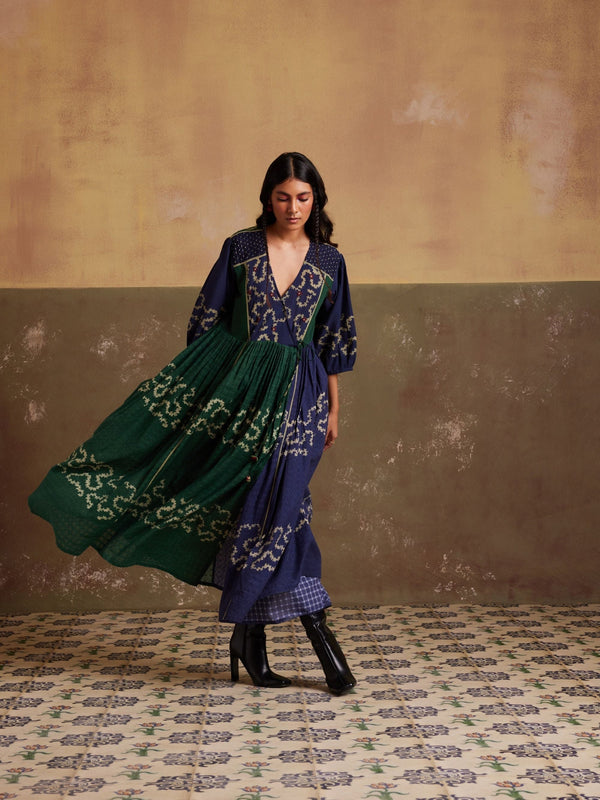
Poem Dress
Made from 100% pure cotton in a spiral print, with smocking detail at the shoulders. A tie-up front yoke and a gathered waist keep it fitted without ever feeling tight — good for a day that starts at a hawker centre and ends somewhere with air-con.
Tie-up yoke
Smocked shoulders
Pure cotton

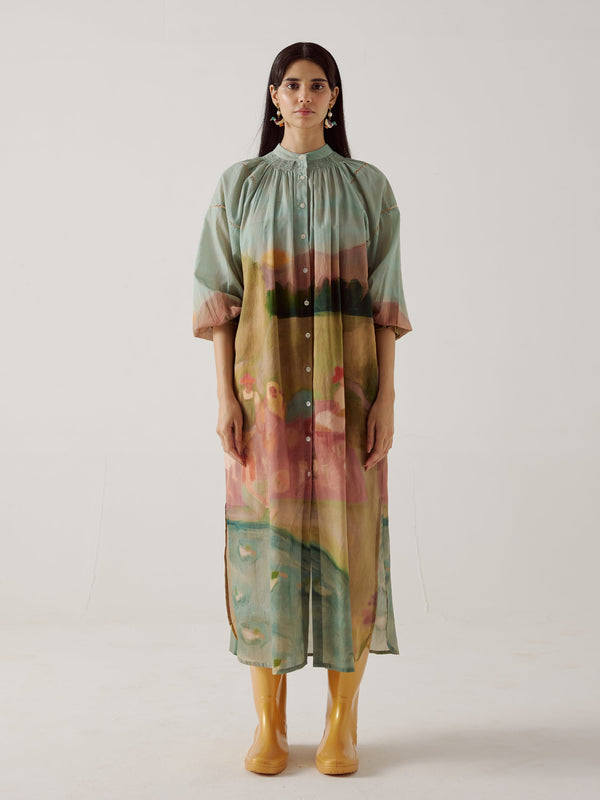
Spring Print Chloe Dress
A buttoned-up dress with hand smocking at the neck, elasticated cuffs and lace inserts on the shoulders, set in a Spring print. The ankle-length hem makes it one to reach for on days you want something a little more put-together than a basic tent dress.
Hand smocking
Lace inserts
Ankle length

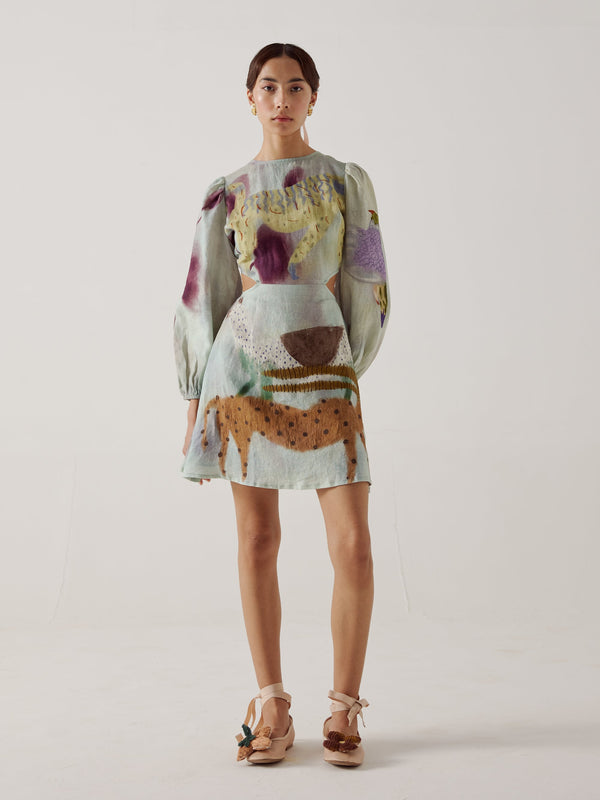

Blue Embroidery Emma Dress
100% pure handwoven linen in a flowy silhouette, with floral cross-stitch embroidery at the yoke. Slower to make, and it shows — the handwoven texture breathes differently than machine-loomed linen, which matters more than it sounds like it should in this climate.
Handwoven linen
Cross-stitch embroidery
Flowy silhouette
Why Natural Fabric Sundresses Suit Singapore's Climate Best
Singapore doesn't get a break from the heat. Temperatures sit around 27 to 32°C with roughly 80% humidity most days of the year, whatever the calendar says. Synthetic fabrics like polyester and rayon blends trap that heat against the skin instead of releasing it, which is exactly the wrong property for a place with no cool season to look forward to.
Cotton and handwoven linen work the other way. Both fibres pull moisture away from the body and let air pass straight through the weave, so a cotton or linen sundress genuinely feels cooler than a synthetic one cut in the same shape — it isn't just a marketing line.
Shape matters just as much as fabric. A tent dress — loose through the body, flaring from the shoulders or waist rather than following it — keeps fabric off the skin, and that gap is where air actually moves. Anything cut close to the body traps heat against it no matter what it's made from.
Then there's the print. Printed dresses are simply more forgiving day to day: a busy pattern hides the light creasing and sweat marks that build up over a humid afternoon, where a plain pastel shows both within the hour. It's a small, practical reason prints tend to dominate warm-climate wardrobes.
How to Choose the Right Sundress for Singapore's Weather
- Fabric first: Cotton or handwoven linen, always - polyester and rayon blends might look identical on a hanger, but you'll feel the difference by lunchtime.
- Go loose: A tent dress or flared cut keeps fabric off the skin, and that gap is where the air actually gets in. Anything fitted traps heat no matter what it's made from.
- Prints do more than decorate: They hide the creasing and sweat marks a plain pastel gives away within the hour - worth remembering on a day you can't just go home and change.
- Smocking and elastication: buy you shape and stretch without the dress needing to be baggy everywhere just to stay cool.
- Length matters if you're outdoors: Midi or ankle-length earns its keep on a walking day; it's less relevant if you're mostly sitting in air-con.
FAQs
Q1. What is the best fabric for sundresses in Singapore's climate?
A: Pure cotton and handwoven linen work best. Both fibres absorb moisture and let air pass through the weave, which matters in Singapore since there's no cooler season to give your skin a break from the humidity.
Q2. What is a tent dress?
A: A tent dress is a loose, A-line silhouette that flares out from the shoulders or waist rather than following the shape of the body. Because the fabric doesn't sit against the skin, air can move underneath it — a practical shape for humid weather.
Q3. Are printed dresses better than plain ones in humid weather?
A: For daily wear, yes. Busy patterns disguise the creasing and light sweat marks that build up over a humid day; a plain pastel dress shows both far sooner.
Q4. Can sundresses be worn all year round in Singapore?
A: Yes. Singapore sits near the equator, so temperatures stay in the 24 to 32°C range all year with no distinct season change — a sundress works in January just as well as in July.
Q5. Where can I buy sundresses in Singapore?
A: Cord ships sundresses to Singapore from its online store, with pure cotton and handwoven linen styles designed specifically for hot, humid climates.
FAQs
Q1. What is the best fabric for sundresses in Singapore's climate?
A: Pure cotton and handwoven linen work best. Both fibres absorb moisture and let air pass through the weave, which matters in Singapore since there's no cooler season to give your skin a break from the humidity.
Q2. What is a tent dress?
A: A tent dress is a loose, A-line silhouette that flares out from the shoulders or waist rather than following the shape of the body. Because the fabric doesn't sit against the skin, air can move underneath it — a practical shape for humid weather.
Q3. Are printed dresses better than plain ones in humid weather?
A: For daily wear, yes. Busy patterns disguise the creasing and light sweat marks that build up over a humid day; a plain pastel dress shows both far sooner.
Q4. Can sundresses be worn all year round in Singapore?
A: Yes. Singapore sits near the equator, so temperatures stay in the 24 to 32°C range all year with no distinct season change — a sundress works in January just as well as in July.
Q5. Where can I buy sundresses in Singapore?
A: Cord ships sundresses to Singapore from its online store, with pure cotton and handwoven linen styles designed specifically for hot, humid climates.
